


Diwali or Deepavali, popularly known as the "festival of lights", is celebrated between mid-October and mid-November for different reasons. For Hindus, Diwali is one of the most important festivals of the year and is celebrated in families by performing traditional activities together in their homes. For Jains, Diwali marks the attainment of moksha or nirvana by Mahavira in 527 BC.

Before Diwali night, people clean, renovate and decorate their homes. On Diwali night, Hindus dress up in new clothes or their best outfit, light up diyas (lamps and candles) inside and outside their home, participate in family puja typically to Lakshmi - the goddess of wealth and prosperity.

After puja (prayers), fireworks follow, then a family feast including mithai (sweets), and an exchange of gifts between family members and close friends. Diwali also marks a major shopping period in nations where it is celebrated.
 On the same night that Hindus celebrate Diwali, Jains celebrate a festival of lights to mark the attainment of moksha by Mahavira, and Sikhs celebrate Bandi Chhor Divas. Diwali is an official holiday in India,Nepal, Sri Lanka, Myanmar, Mauritius, Guyana, Trinidad and Tobago, Suriname, Malaysia, Singapore and Fiji.
 Diwali is also the end of the cropping season. This is
the time of the year when farmers would be getting the results of their
sweat and blood. The hard work they do all through the year is supposed
to pay results in terms of a healthy crop. Harvesting period generally
bear a lot of prosperity for agrarian society. Thus, the farmers pray to
Goddess Lakshmi (the Goddess of wealth) for the best results.
 The name "Diwali" is a contraction of "Deepavali", दीपावली, Dīpāvalī, which translates into "row of lamps". Diwali involves the lighting of small clay lamps (diyas or dīpas) in Sanskrit: दीप) filled with oil to signify the triumph of good over evil. During Diwali, all the celebrants wear new clothes and share sweets and snacks with family members and friends.

ദീപം (വിളക്ക്), ആവലി(നിര) എന്നീ പദങ്ങൾ ചേർന്നാണ് ദീപാവലി എന്ന പദം ഉണ്ടായത്, ഇത് ലോപിച്ചാണ് ദീവാളീ എന്നായിത്തീർന്നത്.
ശ്രീരാമൻ 14-വർഷത്തെ വനവാസത്തിനുശേഷം അയോദ്ധ്യയിൽ തിരിച്ചെത്തിയതിനെ പ്രതിനിധീകരിച്ചാണ് ദീപാവലി ആഘോഷിക്കുന്നത്. ശ്രീകൃഷ്ണൻ നരകാസുരനെ വധിച്ചതിന്റെ ആഘോഷം. ജൈനമതവിശ്വാസപ്രകാരം മഹാവീരൻ നിർവാണം പ്രാപിച്ചതിനെ അനുസ്മരിക്കാനായി.

Diwali is a five day festival in many regions of India, with Diwali night centering on the new moon - the darkest night - at the end of the Hindu lunar month of Ashvin and the start of the month of Kartika. In the Common Era calendar, Diwali typically falls towards the end of October, or first half of November each year. The darkest night of autumn lit with diyas, candles and lanterns, makes the festival of lights particularly memorable.
 Diwali is also a festival of sounds and sights with fireworks and rangoli designs; the festival is a major celebration of flavors with feasts and numerous mithai (sweets, desserts),as well as a festival of emotions where Diwali ritually brings family and friends together every year. Like major festivals of the world, rituals and preparations for the Indian festival Diwali begin days or weeks in advance. The festival formally begins two days before the night of Diwali, and ends two days after. Each day has the following rituals and significance:

അഞ്ചു ദിവസം നീണ്ടു നിൽക്കുന്ന ആഘോഷങ്ങളുണ് ദീപാവലിക്ക്.
Dhanteras kicks off the five day festival. Starting days before and through Dhanteras, houses and business premises are cleaned, renovated and decorated. Women and children decorate entrances with Rangoli - creative colourful floor designs both inside and in the walkways of their homes or offices. Boys and men get busy with external lighting arrangements and completing all renovation work in progress. For some, the day celebrates the churning of cosmic ocean of milk between the forces of good and forces of evil; this day marks the birthday of Lakshmi - the Goddess of Wealth and Prosperity, and the birthday of Dhanvantari - the Goddess of Health and Healing. On the night of Dhanteras, diyas (lamps) are ritually kept burning all through the nights in honor of Lakshmi and Dhanvantari.
 Dhanteras is also a major shopping day, particularly for gold or silver
articles. Merchants, traders and retailers stock up, put articles on
sale, and prepare for this day. Lakshmi Puja (sometimes spelled Laxmi
puja) is performed in the evening. Some people decorate their shops,
work place or items symbolizing their source of sustenance and
prosperity.

ദീപാവലി ആഘോഷങ്ങളുടെ തുടക്കം ധൻതേരസ് അഥവാ ധനത്രയോദശി ദിവസം ആണ്. അശ്വിനിമാസത്തിലെ കൃഷ്ണപക്ഷ ത്രയോദശി ദിവസമാണ് ഇത്. അന്നേ ദിവസം വീടും വ്യാപാരസ്ഥാപനങ്ങളും അലങ്കരിക്കുകയും ചെയ്ത് വാതിലിൽ രംഗോലി ഇടുന്നു. ഈ ദിവസം വൈകിട്ടു വിളക്കു വച്ച് ധനലക്ഷ്മി ദേവിയെ വീട്ടിലേക്കു ക്ഷണിക്കുകയും പൂജിക്കുകയും ചെയ്യുന്നു.

Narak Chaturdasi is the second day of festivities, and is also called Choti Diwali. Typically, house decoration and colourful floor patterns called rangoli are made on or before Narak Chaturdasi. Special bathing rituals such a fragrant oil bath are held in some regions, followed by minor pujas. Women decorate their hands with henna designs. Families are also busy preparing homemade sweets for main Diwali.

ദീപാവലി ആഘോഷത്തിന്റെ രണ്ടാം ദിവസമാണ് നരക ചതുർദശി. അശ്വിനി മാസത്തിലെ കൃഷ്ണപക്ഷ ചതുർദശി ആണ് ഇത്. നരകാസുരനെ വധിച്ച കാളിയെ ആണ് അന്നേ ദിവസം പൂജിക്കുന്നത്.
The third day is the main festive day. People wear new clothes or their best outfits as the evening approaches. Then diyas are lit, pujas are offered to Lakshmi, and to one or more additional deities depending on the region of India; typically Ganesha, Saraswati, and Kubera. Lakshmi symbolises wealth and prosperity, and her blessings are invoked for a good year ahead.

ദീപാവലി ആഘോഷങ്ങളുടെ മൂന്നാം ദിവസമാണ് (അമാവാസി) ലക്ഷ്മി പൂജ. ഉത്തര ഭാരതത്തിലെ ദീപാവലി ആഘോഷങ്ങളിൽ പ്രധാനപ്പെട്ടത് ഇതാണ്. അന്നേ ദിവസം ഗണപതി, ലക്ഷ്മിയുടെ മൂന്നു രൂപങ്ങളായ മഹാലക്ഷ്മി, മഹാസരസ്വതി, മഹാകാളി, കുബേരൻ എന്നിവരെ പൂജിക്കുന്നു.
The day after Diwali, is celebrated as Padwa. This day ritually celebrates the love and mutual devotion between the wife and husband. The husbands give thoughtful gifts, or elaborate ones to respective spouses. In many regions, newly married daughters with their husbands are invited for special meals. Sometimes brothers go and pick up their sisters from their in-laws home for this important day. The day is also a special day for the married couple, in a manner similar to anniversaries elsewhere in the world. The day after Diwali devotees perform Goverdhan puja in honor of Lord Krishna.

കാർത്തിക മാസത്തിലെ ശുക്ലപക്ഷത്തിലെ ഒന്നാം ദിവസമാണു ബലി പ്രതിപദ ആഘോഷിക്കുന്നത്.വാമനൻ ചവിട്ടി പാതാളത്തിലേക്കു വിട്ട മഹാബലി നാടുകാണാൻ വരുന്ന ദിവസമാണ് ഇതെന്നാണു വിശ്വാസം. ആചാരങ്ങൾ പല സംസ്ഥാനങ്ങളിലും പലതാണെങ്കിലും, തേച്ചു കുളിയും പുതുവസ്ത്രങ്ങൾ ധരിക്കുന്നതും പരസ്പരം സമ്മാനങ്ങൾ കൊടുക്കുന്നതും പതിവാണ്. ഇതു കൂടാതെ രംഗോലിയോ കോലമോ കൊണ്ടു മുറ്റം അലങ്കരിക്കുക, കളിമണ്ണു കൊണ്ടോ ചാണകം കൊണ്ടോ ഏഴു കോട്ടകൾ പണിയുക, ബലിയെയും ഭാര്യ വിന്ധ്യവലിയെയും പൂജിക്കുക, നിരനിരയായി വിളക്കുകൾ കൊളുത്തി വയ്ക്കുക എന്നിവയും പതിവുണ്ട്.

The last day of festival is called Bhai dooj (Brother’s second). It celebrates the sister-brother loving relationship, in a spirit similar to Raksha Bandhan but with different rituals. The day ritually emphasizes the love and lifelong bond between siblings. It is a day when women and girls get together, perform a puja with prayers for the well being of their brothers, then return to a ritual of food-sharing, gift-giving and conversations. In historic times, this was a day in autumn when brothers would travel to meet their sisters, or bring over their sister’s family to their village homes to celebrate their sister-brother bond with the bounty of seasonal harvests.
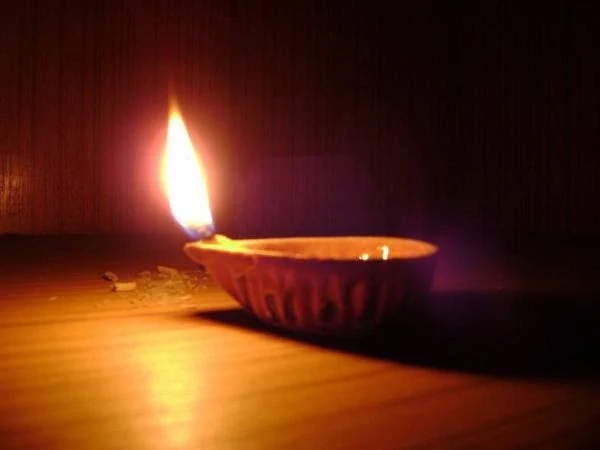
ദീപാവലി ആഘോഷങ്ങളുടെ അഞ്ചാം ദിവസമാണ് ഭാതൃദ്വിതീയ, ബഹു-ബീജ് ആഘോഷിക്കുന്നത്. ഇതോടു കൂടി ദീപാവലി ആഘോഷങ്ങൾ അവസാനിക്കുന്നു. കാർത്തിക മാസത്തിലെ ശുക്ലപക്ഷത്തിലെ രണ്ടാം ദിവസമാണ് ഈ ആഘോഷം. മരണ ദേവനായ യമൻ സഹോദരി യമിയെ സന്ദർശിച്ചു എന്നാണ് ഐതിഹ്യം. അതിനാൽ ഈ ദിവസത്തിനെ യമ ദ്വിതീയ എന്നും വിളിക്കുന്നു.സഹോദരീ സഹോദരന്മാർ ചേർന്നു ചെയ്യുന്ന ആചാരങ്ങളാണ് ഈ ദിവസത്തെ ആഘോഷങ്ങളിൽ പ്രധാനം.

 Deepavali marks the end of the harvest season in most of India. Farmers give thanks for the bounty of the year gone by, and pray for a good harvest for the year to come. Traditionally this marked the closing of accounts for businesses dependent on the agrarian cycle, and is the last major celebration before winter. Lakshmi symbolizes wealth and prosperity, and her blessings are invoked for a good year ahead. ...

There are two legends that associate the worship of Lakshmi on this day. According to the first legend, on this day, Lakshmi emerged from Kshira Sagar, the Ocean of Milk, during the great churning of the oceans, Samudra manthan.
 The second legend (more popular in western India) relates to the Vamana avatar of the big three Vishnu, the incarnation he assumed to kill the demon king Bali. On this day, Vishnu came back to his abode the Vaikuntha; so those who worship Lakshmi receive the benefit of her benevolent mood, and are blessed with mental, physical and material well-being.

As per spiritual references, on this day "Lakshmi-panchayatan" enters the Universe. Vishnu, Indra, Kubera, Gajendra and Lakshmi are elements of this "panchayatan" (a group of five). The tasks of these elements are:

Lakshmi: Divine Energy (Shakti) which provides energy to all the above activities.
Vishnu: Happiness (happiness and satisfaction)
Kubera: Wealth (generosity; one who shares wealth)
Indra: Opulence (satisfaction due to wealth)
Gajendra: Carries the wealth
 Diwali - Deepavali Greetings 2014 Indian Celebration Diwali Pictures Diwali Wallpaper
 Diwali is one of the happiest of holidays in India, with significant preparations. People clean their homes and decorate them for the festivities. Diwali is one of the biggest shopping seasons in India; people buy new clothes for themselves and their families, gifts, appliances, kitchen utensils, small to big ticket items such as cars and gold jewelry.
 People also buy gifts for family members and friends which typically includes sweets, dry fruits and seasonal specialities depending on regional harvest and customs. It is also the period when little kids hear ancient stories, legends, myths and battle between good and evil, light and darkness from their parents and elders. Girls and women go shopping, and create rangoli and other creative patterns on floors, near doors and walkways. Youth and grown ups graduate to helping with lighting and preparing for patakhe (fireworks).
 There is significant variation in regional practices and rituals. Depending on the region, prayers are offered before one or more deities, with most common being Lakshmi - the goddess of wealth and prosperity. On Diwali night, fireworks light up the neighborhood skies. Later, family members and invited friends celebrate the night over food and sweets.
http://malayalam-live.blogspot.com/2011/10/diwali-deepavali-greetings-2011-indian.html#.VDpgrVf_3rk
Before Diwali night, people clean, renovate and decorate their homes. On Diwali night, Hindus dress up in new clothes or their best outfit, light up diyas (lamps and candles) inside and outside their home, participate in family puja typically to Lakshmi - the goddess of wealth and prosperity.
After puja (prayers), fireworks follow, then a family feast including mithai (sweets), and an exchange of gifts between family members and close friends. Diwali also marks a major shopping period in nations where it is celebrated.

ദീപം (വിളക്ക്), ആവലി(നിര) എന്നീ പദങ്ങൾ ചേർന്നാണ് ദീപാവലി എന്ന പദം ഉണ്ടായത്, ഇത് ലോപിച്ചാണ് ദീവാളീ എന്നായിത്തീർന്നത്.
ശ്രീരാമൻ 14-വർഷത്തെ വനവാസത്തിനുശേഷം അയോദ്ധ്യയിൽ തിരിച്ചെത്തിയതിനെ പ്രതിനിധീകരിച്ചാണ് ദീപാവലി ആഘോഷിക്കുന്നത്. ശ്രീകൃഷ്ണൻ നരകാസുരനെ വധിച്ചതിന്റെ ആഘോഷം. ജൈനമതവിശ്വാസപ്രകാരം മഹാവീരൻ നിർവാണം പ്രാപിച്ചതിനെ അനുസ്മരിക്കാനായി.
Diwali is a five day festival in many regions of India, with Diwali night centering on the new moon - the darkest night - at the end of the Hindu lunar month of Ashvin and the start of the month of Kartika. In the Common Era calendar, Diwali typically falls towards the end of October, or first half of November each year. The darkest night of autumn lit with diyas, candles and lanterns, makes the festival of lights particularly memorable.
അഞ്ചു ദിവസം നീണ്ടു നിൽക്കുന്ന ആഘോഷങ്ങളുണ് ദീപാവലിക്ക്.
Dhanteras kicks off the five day festival. Starting days before and through Dhanteras, houses and business premises are cleaned, renovated and decorated. Women and children decorate entrances with Rangoli - creative colourful floor designs both inside and in the walkways of their homes or offices. Boys and men get busy with external lighting arrangements and completing all renovation work in progress. For some, the day celebrates the churning of cosmic ocean of milk between the forces of good and forces of evil; this day marks the birthday of Lakshmi - the Goddess of Wealth and Prosperity, and the birthday of Dhanvantari - the Goddess of Health and Healing. On the night of Dhanteras, diyas (lamps) are ritually kept burning all through the nights in honor of Lakshmi and Dhanvantari.
ദീപാവലി ആഘോഷങ്ങളുടെ തുടക്കം ധൻതേരസ് അഥവാ ധനത്രയോദശി ദിവസം ആണ്. അശ്വിനിമാസത്തിലെ കൃഷ്ണപക്ഷ ത്രയോദശി ദിവസമാണ് ഇത്. അന്നേ ദിവസം വീടും വ്യാപാരസ്ഥാപനങ്ങളും അലങ്കരിക്കുകയും ചെയ്ത് വാതിലിൽ രംഗോലി ഇടുന്നു. ഈ ദിവസം വൈകിട്ടു വിളക്കു വച്ച് ധനലക്ഷ്മി ദേവിയെ വീട്ടിലേക്കു ക്ഷണിക്കുകയും പൂജിക്കുകയും ചെയ്യുന്നു.
Narak Chaturdasi is the second day of festivities, and is also called Choti Diwali. Typically, house decoration and colourful floor patterns called rangoli are made on or before Narak Chaturdasi. Special bathing rituals such a fragrant oil bath are held in some regions, followed by minor pujas. Women decorate their hands with henna designs. Families are also busy preparing homemade sweets for main Diwali.
ദീപാവലി ആഘോഷത്തിന്റെ രണ്ടാം ദിവസമാണ് നരക ചതുർദശി. അശ്വിനി മാസത്തിലെ കൃഷ്ണപക്ഷ ചതുർദശി ആണ് ഇത്. നരകാസുരനെ വധിച്ച കാളിയെ ആണ് അന്നേ ദിവസം പൂജിക്കുന്നത്.
The third day is the main festive day. People wear new clothes or their best outfits as the evening approaches. Then diyas are lit, pujas are offered to Lakshmi, and to one or more additional deities depending on the region of India; typically Ganesha, Saraswati, and Kubera. Lakshmi symbolises wealth and prosperity, and her blessings are invoked for a good year ahead.
ദീപാവലി ആഘോഷങ്ങളുടെ മൂന്നാം ദിവസമാണ് (അമാവാസി) ലക്ഷ്മി പൂജ. ഉത്തര ഭാരതത്തിലെ ദീപാവലി ആഘോഷങ്ങളിൽ പ്രധാനപ്പെട്ടത് ഇതാണ്. അന്നേ ദിവസം ഗണപതി, ലക്ഷ്മിയുടെ മൂന്നു രൂപങ്ങളായ മഹാലക്ഷ്മി, മഹാസരസ്വതി, മഹാകാളി, കുബേരൻ എന്നിവരെ പൂജിക്കുന്നു.
The day after Diwali, is celebrated as Padwa. This day ritually celebrates the love and mutual devotion between the wife and husband. The husbands give thoughtful gifts, or elaborate ones to respective spouses. In many regions, newly married daughters with their husbands are invited for special meals. Sometimes brothers go and pick up their sisters from their in-laws home for this important day. The day is also a special day for the married couple, in a manner similar to anniversaries elsewhere in the world. The day after Diwali devotees perform Goverdhan puja in honor of Lord Krishna.
കാർത്തിക മാസത്തിലെ ശുക്ലപക്ഷത്തിലെ ഒന്നാം ദിവസമാണു ബലി പ്രതിപദ ആഘോഷിക്കുന്നത്.വാമനൻ ചവിട്ടി പാതാളത്തിലേക്കു വിട്ട മഹാബലി നാടുകാണാൻ വരുന്ന ദിവസമാണ് ഇതെന്നാണു വിശ്വാസം. ആചാരങ്ങൾ പല സംസ്ഥാനങ്ങളിലും പലതാണെങ്കിലും, തേച്ചു കുളിയും പുതുവസ്ത്രങ്ങൾ ധരിക്കുന്നതും പരസ്പരം സമ്മാനങ്ങൾ കൊടുക്കുന്നതും പതിവാണ്. ഇതു കൂടാതെ രംഗോലിയോ കോലമോ കൊണ്ടു മുറ്റം അലങ്കരിക്കുക, കളിമണ്ണു കൊണ്ടോ ചാണകം കൊണ്ടോ ഏഴു കോട്ടകൾ പണിയുക, ബലിയെയും ഭാര്യ വിന്ധ്യവലിയെയും പൂജിക്കുക, നിരനിരയായി വിളക്കുകൾ കൊളുത്തി വയ്ക്കുക എന്നിവയും പതിവുണ്ട്.
The last day of festival is called Bhai dooj (Brother’s second). It celebrates the sister-brother loving relationship, in a spirit similar to Raksha Bandhan but with different rituals. The day ritually emphasizes the love and lifelong bond between siblings. It is a day when women and girls get together, perform a puja with prayers for the well being of their brothers, then return to a ritual of food-sharing, gift-giving and conversations. In historic times, this was a day in autumn when brothers would travel to meet their sisters, or bring over their sister’s family to their village homes to celebrate their sister-brother bond with the bounty of seasonal harvests.
ദീപാവലി ആഘോഷങ്ങളുടെ അഞ്ചാം ദിവസമാണ് ഭാതൃദ്വിതീയ, ബഹു-ബീജ് ആഘോഷിക്കുന്നത്. ഇതോടു കൂടി ദീപാവലി ആഘോഷങ്ങൾ അവസാനിക്കുന്നു. കാർത്തിക മാസത്തിലെ ശുക്ലപക്ഷത്തിലെ രണ്ടാം ദിവസമാണ് ഈ ആഘോഷം. മരണ ദേവനായ യമൻ സഹോദരി യമിയെ സന്ദർശിച്ചു എന്നാണ് ഐതിഹ്യം. അതിനാൽ ഈ ദിവസത്തിനെ യമ ദ്വിതീയ എന്നും വിളിക്കുന്നു.സഹോദരീ സഹോദരന്മാർ ചേർന്നു ചെയ്യുന്ന ആചാരങ്ങളാണ് ഈ ദിവസത്തെ ആഘോഷങ്ങളിൽ പ്രധാനം.
Diwali Lakshmi Puja
There are two legends that associate the worship of Lakshmi on this day. According to the first legend, on this day, Lakshmi emerged from Kshira Sagar, the Ocean of Milk, during the great churning of the oceans, Samudra manthan.
As per spiritual references, on this day "Lakshmi-panchayatan" enters the Universe. Vishnu, Indra, Kubera, Gajendra and Lakshmi are elements of this "panchayatan" (a group of five). The tasks of these elements are:
Lakshmi: Divine Energy (Shakti) which provides energy to all the above activities.
Vishnu: Happiness (happiness and satisfaction)
Kubera: Wealth (generosity; one who shares wealth)
Indra: Opulence (satisfaction due to wealth)
Gajendra: Carries the wealth

DIWALI SMS Mesage Quotes
MAKE YOUR LIFE JOYFUL
NEVER LOSE HOPE
ALWAYS BE HAPPY WITH YOUR FAMILY
MAKE YOUR ENEMY ALSO A GOOD FRIEND
GET A BLESS FROM GOD AND ELDER
******* HAPPY + DIPAWALI *******
FOR ALL THE HINDU FAMILIES
With Gleam of Diyas,
And the Echo of the Chants,
May Happiness and Contentment Fill Your life !
Wishing you a very happy and prosperous Diwali !!
Look Outside It's Pleasant
LIGHTS Smiling For u
CANDLES Dancing For u
FAIRIES Waiting For u
Because I Ask them 2 Wish You HAPPY DIWALI !
LAMMI KA HATH HO, SARASWATI KA SATH HO, GANESHKA NIVAS HO,
AUR MA DURGA KA AASHIRWAAD SE APKE JIVAN ME KUSHIYA HO.
"HAPPY DIWALI"
More about Diwali Deepavali Greetings and Wallpaper
http://malayalam-live.blogspot.com/2009/10/deepavali-diwali-greetings.html#.VDphU1f_3rkhttp://malayalam-live.blogspot.com/2011/10/diwali-deepavali-greetings-2011-indian.html#.VDpgrVf_3rk


